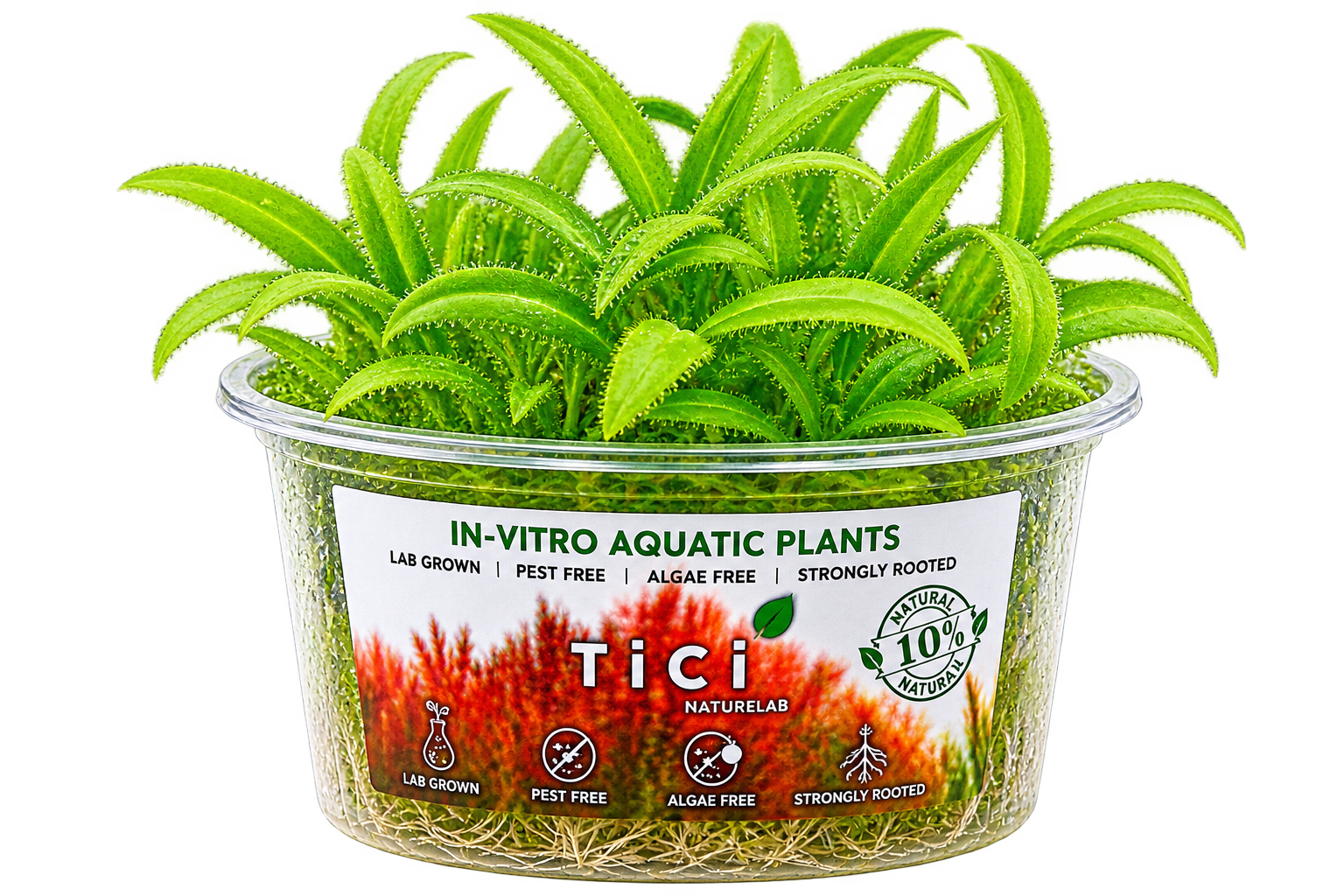
Drosera adelae
Scientific Name: Drosera adelae
Common Name: Lance-leaved Sundew
Origin: Queensland, Australia
Growth Rate: Moderate
Difficulty Level: Moderate
Temperature: 18–28°C
pH: 4.5–6.5
Humidity: 70–95%
Growing Medium: Nutrient-poor, acidic, well-draining medium
Bright, indirect to moderate-high lighting is recommended.
Strong light encourages healthy growth and improves the development of red coloration on the leaves and tentacles.
Avoid intense direct sunlight through glass, as excessive heat can damage the plant.
Adequate lighting is essential for maintaining strong, compact growth and active mucilage production.
Use distilled, RO, or rainwater with very low dissolved mineral content.
Keep the growing medium consistently moist but not completely waterlogged.
The tray method can be used to maintain consistent moisture.
Avoid tap water, as accumulated minerals can damage the roots and gradually weaken the plant.
Prefers high humidity, generally around 70–95%.
Performs particularly well in enclosed terrariums and humid paludarium environments.
Good air circulation is important to prevent fungal growth and stagnant conditions.
When grown in an enclosed setup, provide occasional ventilation to maintain healthy airflow.
Nutrient Requirements
Drosera adelae naturally grows in nutrient-poor environments and should not be grown in nutrient-rich soil.
Avoid conventional fertilizers in the growing medium.
The plant obtains additional nutrients by capturing and digesting small insects with its sticky leaf surfaces.
If necessary, very small insects can occasionally be provided, but healthy plants generally obtain sufficient nutrition naturally.
Use a nutrient-free, acidic substrate.
Suitable mixtures include peat moss and silica sand or long-fiber sphagnum moss.
Avoid garden soil, compost, manure, and ordinary potting soil.
The medium should retain moisture while still allowing adequate aeration around the roots.
Can be propagated through leaf cuttings and root cuttings.
Healthy leaves can be placed on a moist, suitable growing medium to encourage new plantlets.
Root cuttings can also produce new growth under favorable conditions.
Established plants may produce offsets or plantlets naturally.
Best suited for the humid terrestrial zone of a terrarium or the moist land section of a paludarium.
Can be planted around mosses, small ferns, and other humidity-loving plants with similar requirements.
Avoid placing it directly in constantly flowing water or submerged areas.
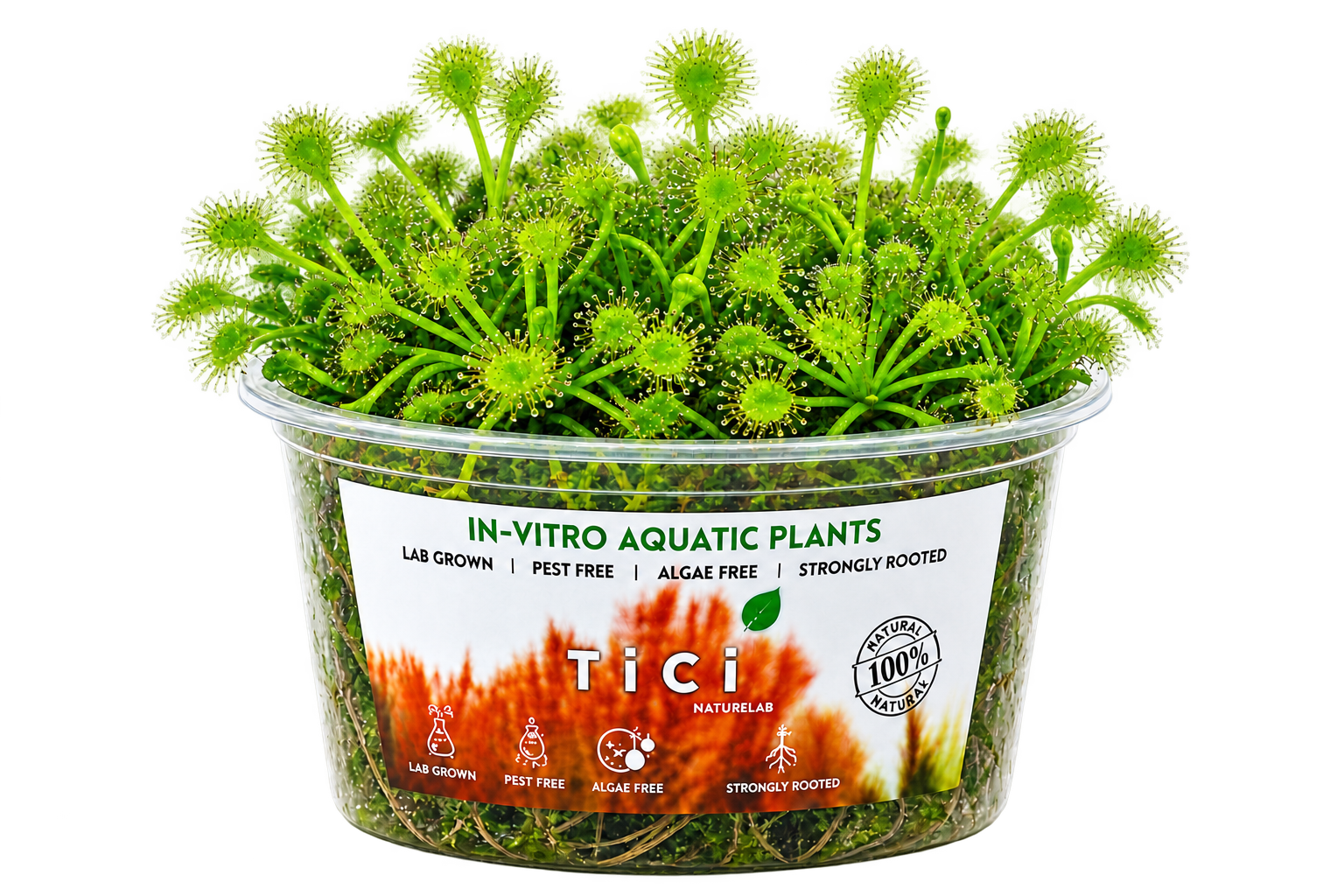
Its delicate, elongated leaves and sticky red tentacles make it an attractive carnivorous focal plant in naturalistic displays.
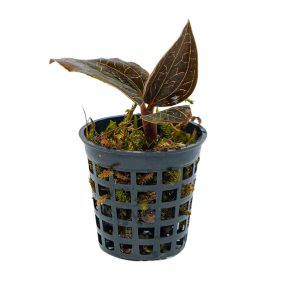
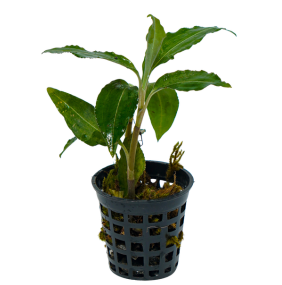
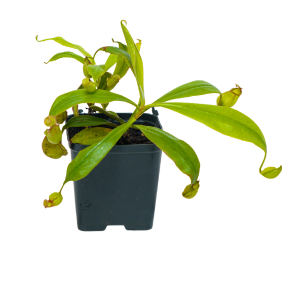
Disclaimer: Images are for visual representation and understanding only. Actual appearance may vary.